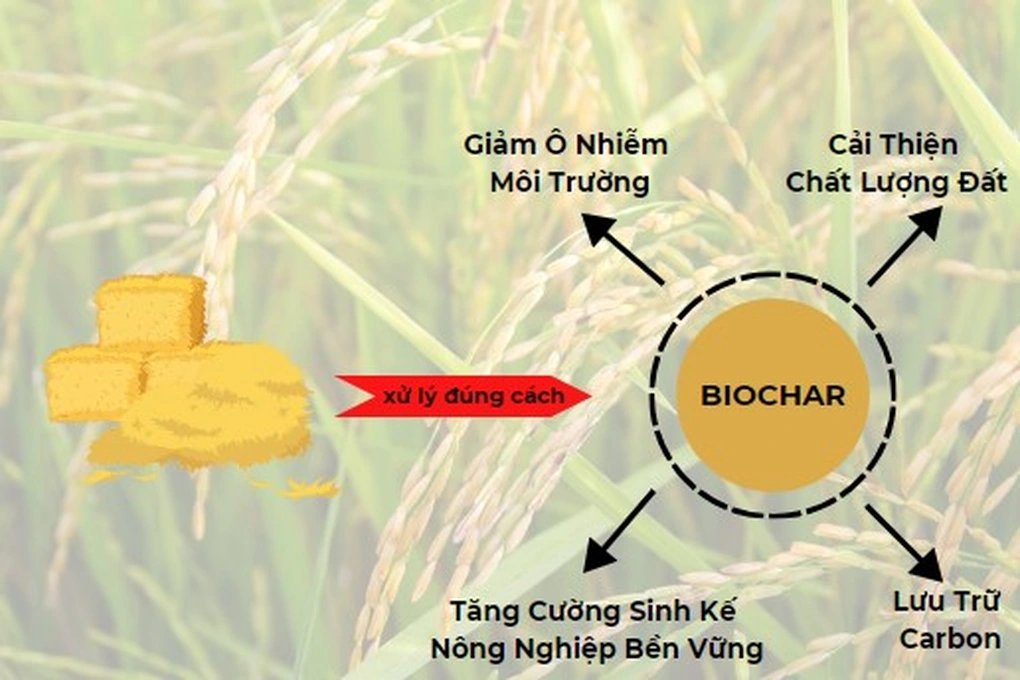
Biochar is emerging as a breakthrough solution in environmental restoration science due to its characteristic porous structure and large surface area, produced through the pyrolysis of agricultural residues. In contaminated soil systems, biochar acts as a highly effective stabilizing agent through mechanisms of physical adsorption and ion exchange. The incorporation of biochar into soil not only immobilizes heavy metals such as lead (Pb), cadmium (Cd), and arsenic (As), preventing their uptake by plant tissues, but also significantly improves soil physical structure. Owing to its stable chemical properties, biochar enhances water retention and creates a favorable environment for native microbial communities, thereby indirectly promoting the natural self-remediation processes of degraded soil ecosystems.
Moreover, the application of biochar provides dual benefits in climate change mitigation strategies through long-term carbon sequestration in soils. Unlike conventional organic fertilizers that decompose rapidly, the carbon structure of biochar can persist for hundreds of years, significantly reducing greenhouse gas emissions from agricultural activities. Recent studies highlight that combining biochar with microbial inoculants (bio-augmented biochar) can generate synergistic effects, simultaneously degrading persistent organic pollutants and restoring soil fertility. This represents a key approach in sustainable environmental governance, where agricultural by-products are recycled into valuable resources, supporting the realization of zero-waste agriculture and ensuring food security in the context of increasing global soil contamination (Voruganti, 2023).
Authors: Hao Phu Dong, Binh Thanh Nguyen*
References:
Voruganti, C. (2023). Biochar applications in soil restoration: Enhancing soil health and carbon sequestration. Environmental Reports, 5(1), 1-4.


ⓒ 2026 BICE | Biochar-based Integrated Circular Economy for Paddy Rice.

