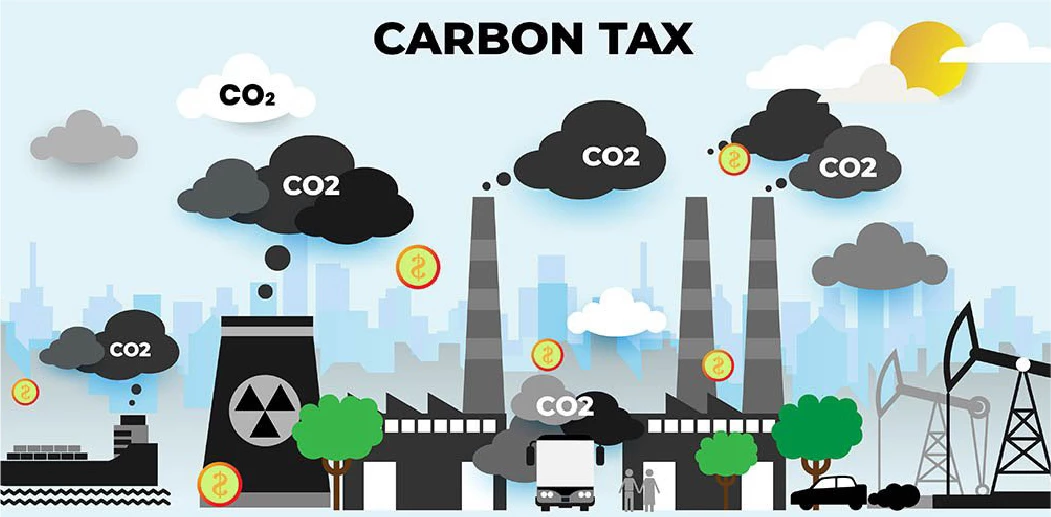
The Carbon Border Adjustment Mechanism (CBAM) is reshaping international trade flows by imposing taxes based on the carbon content of imported goods. The primary objective of this mechanism is to prevent “carbon leakage,” where companies relocate production to countries with more lenient environmental regulations. For exporting countries, adapting to CBAM is no longer optional but a mandatory requirement to maintain competitiveness in global markets. Producers are now under significant pressure to conduct comprehensive emissions accounting across the entire product lifecycle, from raw material inputs to logistics processes.
To respond effectively, industries must accelerate technological innovation to reduce both direct and indirect emissions. This includes investing in cleaner production processes, using environmentally friendly materials, and actively participating in carbon credit markets to offset unavoidable emissions. At the same time, governments need to establish domestic carbon pricing systems equivalent to those of their trading partners in order to retain carbon tax revenues rather than transferring them abroad. International trade is no longer determined solely by cost and quality but is increasingly shaped by the “green index” of products, compelling all actors within supply chains to transition toward sustainable development (Zhong & Pei, 2024).
Authors: Hao Phu Dong, Binh Thanh Nguyen*
References:
Zhong, J., & Pei, J. (2024). Carbon border adjustment mechanism: a systematic literature review of the latest developments. Climate Policy, 24(2), 228-242.


ⓒ 2026 BICE | Biochar-based Integrated Circular Economy for Paddy Rice.

