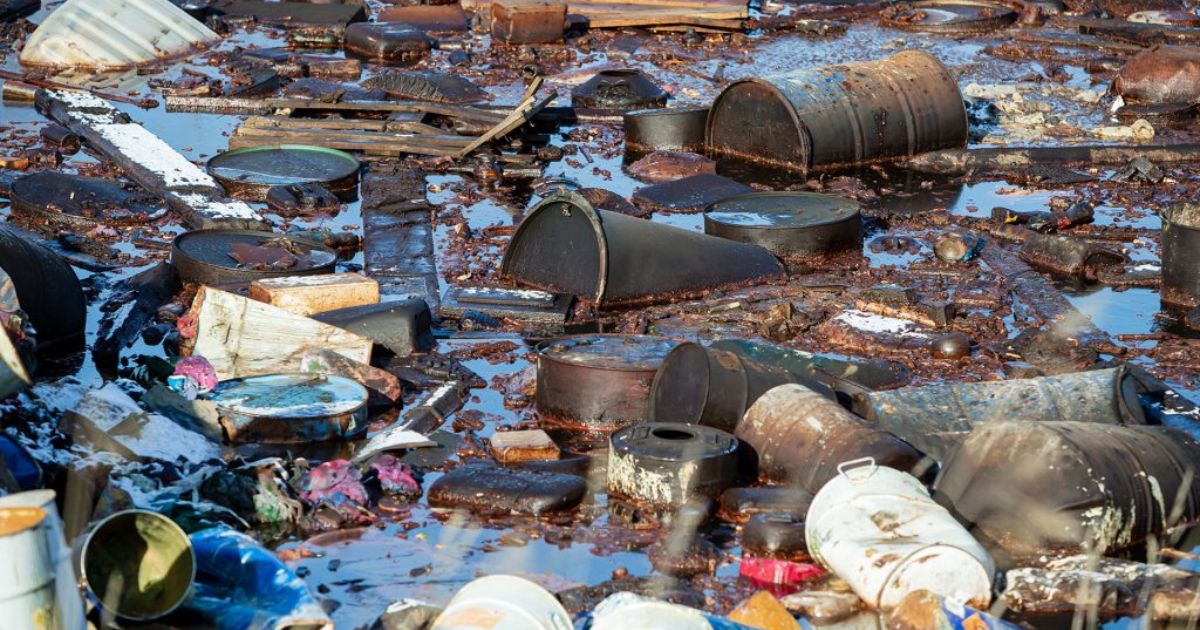
The rapid increase in electronic waste and toxic chemicals from high-tech industries is posing significant challenges to current hazardous waste management systems. Electronic components containing heavy metals such as mercury, lead, and cadmium not only contaminate soil and water but also pose serious risks if not treated according to proper technical standards. In the Industry 4.0 era, automated waste collection and sorting technologies have demonstrated superior efficiency in optimizing recycling rates and recovering valuable rare metals from e-waste, thereby reducing the need for primary mineral extraction and conserving natural resources.
The establishment of centralized waste treatment facilities equipped with advanced technologies ensures safety throughout the entire lifecycle of hazardous waste. Monitoring systems based on blockchain technology are being explored to track hazardous waste from its point of generation to final disposal, ensuring transparency and accountability among stakeholders. In addition, the trend toward “design for recycling” in product manufacturing is significantly reducing hazardous components at the source. Shifting from a “waste disposal” mindset to a “resource recovery from waste” approach is a critical strategy for achieving a balance between industrial development and environmental protection, ensuring safety for both communities and ecosystems (Shittu et al., 2021).
Authors: Hao Phu Dong, Binh Thanh Nguyen*
References:
Shittu, O. S., Williams, I. D., & Shaw, P. J. (2021). Global E-waste management: Can WEEE make a difference? A review of e-waste trends, legislation, contemporary issues and future challenges. Waste Management, 120, 549-563.


ⓒ 2026 BICE | Biochar-based Integrated Circular Economy for Paddy Rice.

