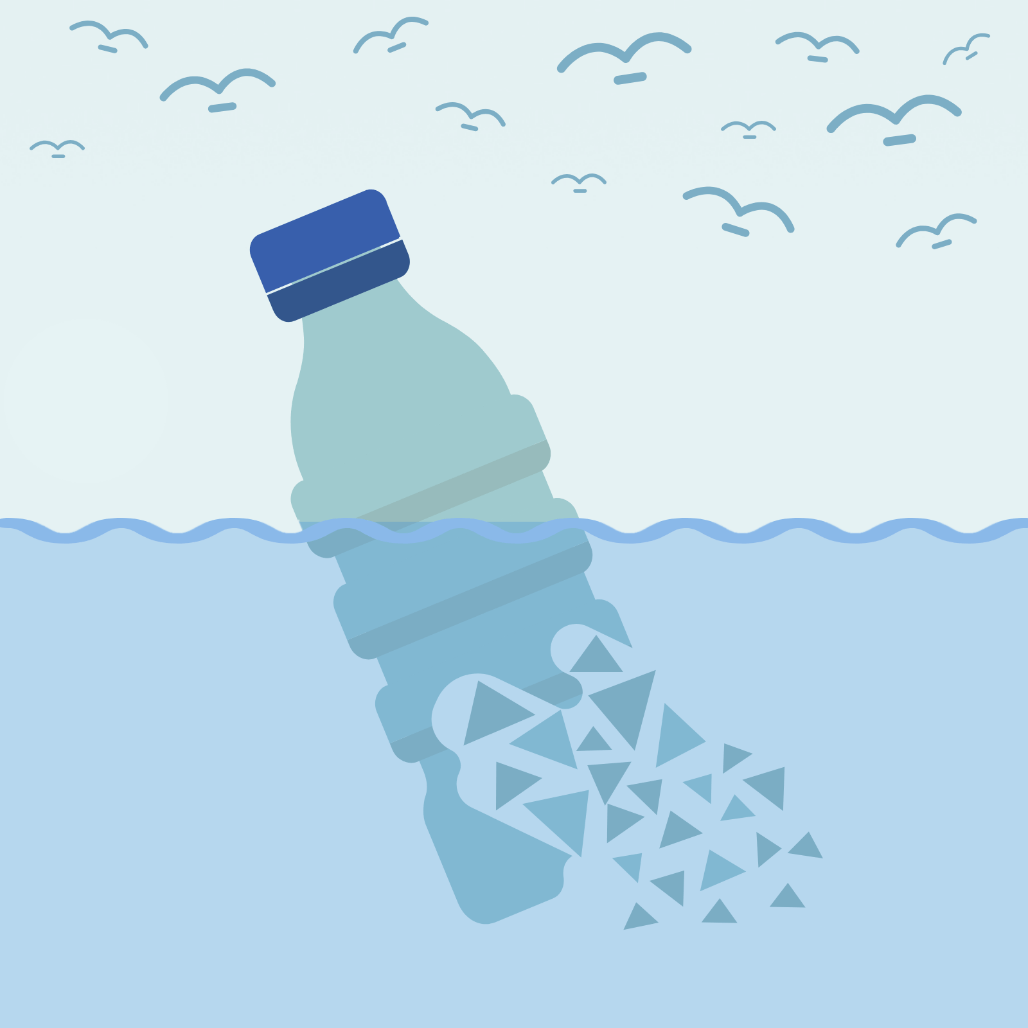
Microplastics have become one of the most urgent environmental threats globally, with widespread presence ranging from the deepest oceans to inland freshwater systems. These plastic particles, smaller than 5 mm in size, are not only highly resistant to degradation but also have the ability to adsorb toxic chemicals such as pesticides and heavy metals, thereby increasing the risk of toxicity to aquatic organisms through the food chain. Monitoring the distribution of microplastics is extremely complex, as they can be transported by ocean currents, atmospheric processes, and natural deposition mechanisms. The impacts of microplastics on human health are still under extensive scientific investigation, particularly focusing on their potential for bioaccumulation and immune responses when humans are exposed through ingestion.
Addressing microplastic pollution requires a multi-layered approach, ranging from waste management at the source to the development of new materials. Current strategies focus on reducing single-use plastics, improving the efficiency of urban wastewater treatment, and promoting a circular economy to keep plastics within closed-loop systems. Many countries have begun implementing strict regulations on the use of microbeads in cosmetics and industrial applications. However, the greatest challenge remains the removal of microplastics that have already accumulated in marine environments over long periods. Research into nanotechnology and plastic-degrading microorganisms is opening promising pathways for environmental remediation, requiring strong international collaboration in technology sharing and financial resource mobilization to protect global ecosystem health (Katyal et al., 2020).
Authors: Hao Phu Dong, Binh Thanh Nguyen*
References:
Katyal, D., Kong, E., & Villanueva, J. (2020). Microplastics in the environment: impact on human health and future mitigation strategies. Environmental Health Review, 63(1), 27-31.


ⓒ 2026 BICE | Biochar-based Integrated Circular Economy for Paddy Rice.

