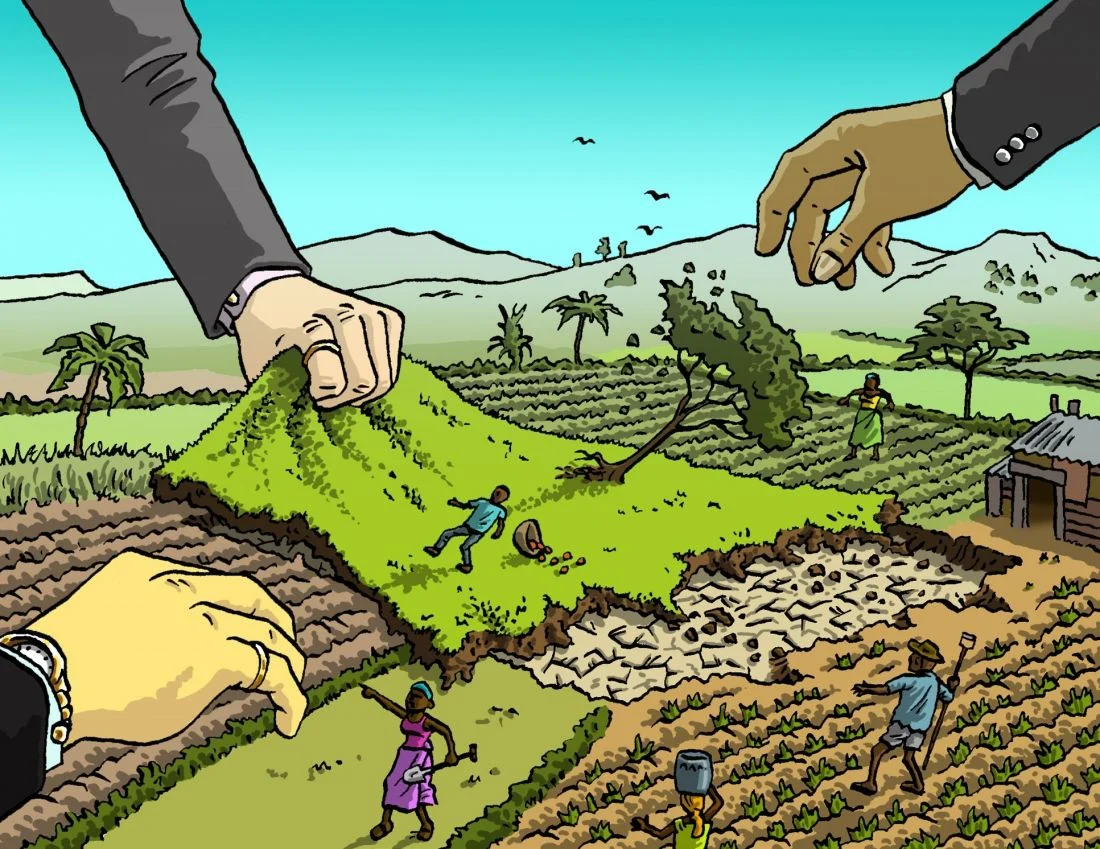
Land disputes directly affect social stability and sustainable economic development. Modern land management science applies conflict analysis models based on Spatial Overlay Analysis and integrates cadastral information systems to provide reliable evidence. Accurately identifying historical boundaries and current land use through digital data offers convincing support for mediation decisions. Current research focuses on developing models to predict dispute “hotspots” by analyzing historical data combined with demographic and economic dynamics. Instead of reacting passively, authorities can prevent disputes through appropriate planning tools and effective market regulation.
The transparency of cadastral data not only helps citizens clearly understand their rights but also significantly reduces prolonged legal disputes that consume time and public resources. This represents a modern governance approach, shifting from consequence-based resolution to risk prevention using scientific data tools, thereby maintaining social order and creating a stable environment for real estate markets. When cadastral information systems are interconnected, dispute resolution can rely on technical evidence rather than subjective judgment or outdated, inaccurate data. Once land boundaries are clearly defined on digital maps, public trust in state land management systems is strengthened, facilitating economic activities, investment, and the protection of private property rights in accordance with the law.
Authors: Hao Phu Dong, Binh Thanh Nguyen*


ⓒ 2026 BICE | Biochar-based Integrated Circular Economy for Paddy Rice.

