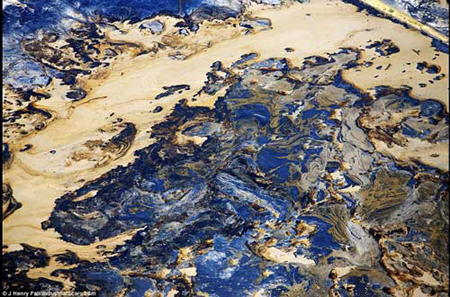
Agricultural soils contaminated with heavy metals due to industrial activities and intensive farming practices have become a serious challenge, directly threatening food security and human health through the food chain. Metals such as arsenic, cadmium, and lead, when accumulated over time in soils, not only reduce crop productivity but also cause toxicity to soil organisms and beneficial microbial communities. Bioremediation approaches, particularly phytoremediation using plant species capable of accumulating heavy metals, are increasingly favored due to their environmental friendliness and lower cost compared to mechanical remediation methods.
In addition, the application of organic fertilizers rich in humus and microbial inoculants helps immobilize heavy metals in the soil, preventing their uptake by plants. Advances in nanotechnology for soil remediation are opening new prospects for more rapid and effective decontamination of polluted soils. Restoring contaminated soils not only improves agricultural product quality but also protects biodiversity and essential soil ecosystem services. This is a crucial component of sustainable agriculture strategies, requiring a combination of advanced scientific knowledge and strong land management policies to ensure that agricultural soils remain clean and safe for present and future generations (Liu et al., 2018).
Authors: Hao Phu Dong, Binh Thanh Nguyen*
References:
Liu, L., Li, W., Song, W., & Guo, M. (2018). Remediation techniques for heavy metal-contaminated soils: Principles and applicability. Science of The Total Environment, 633, 206-219.


ⓒ 2026 BICE | Biochar-based Integrated Circular Economy for Paddy Rice.

