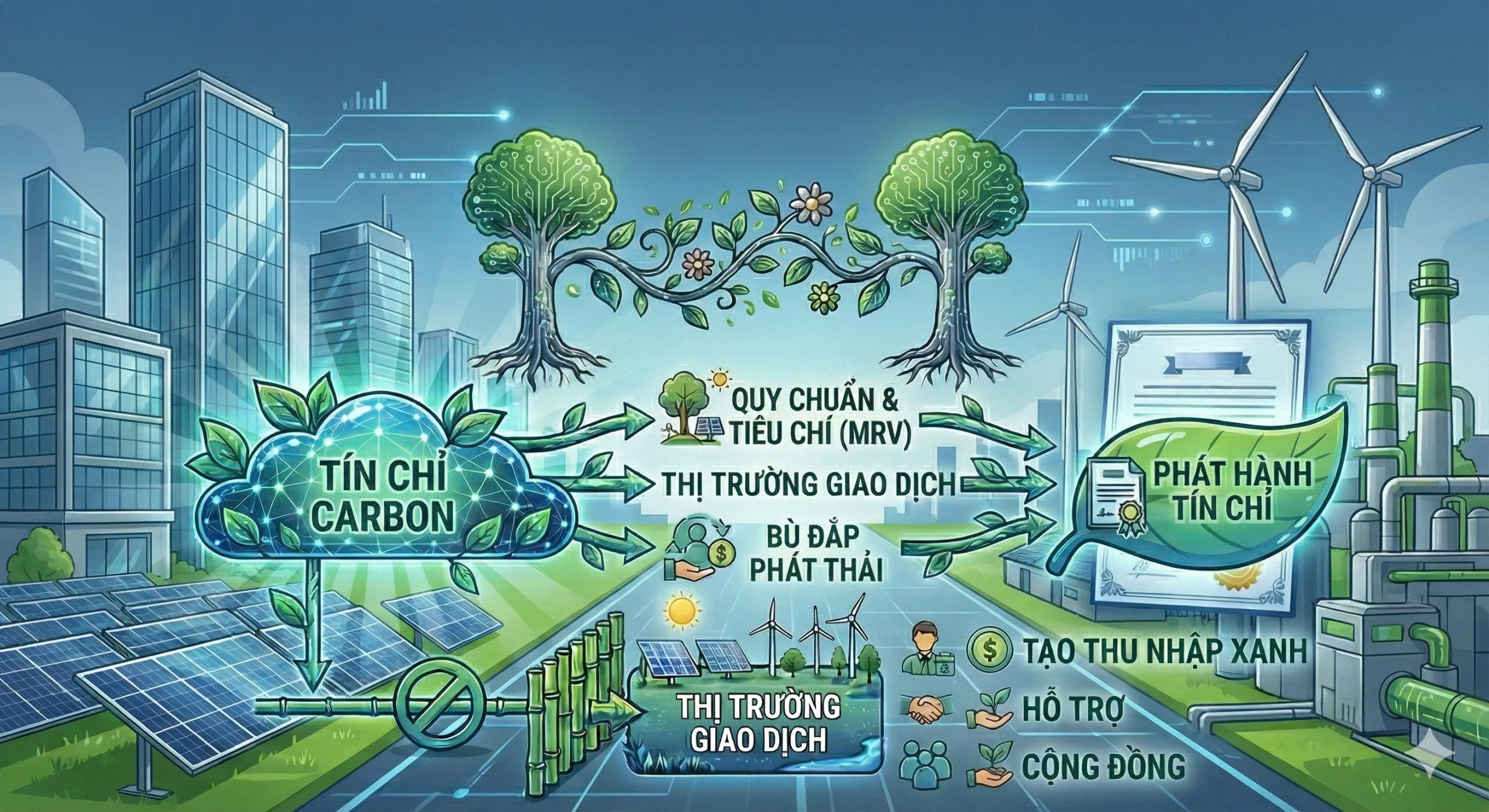
Direct Air Capture (DAC) technology is currently one of the most prominent topics in the global carbon market, offering the ability to remove CO₂ directly from the atmosphere rather than merely reducing emissions at the source. Unlike forest-based carbon credits, which face challenges related to permanence and sustainability, DAC-based credits provide a highly measurable and verifiable solution with the potential for long-term or permanent storage, either underground or within construction materials. The emergence of large-scale DAC facilities has attracted significant interest from leading global technology corporations, which are willing to pay premium prices for high-quality, fully transparent carbon credits. This technology is considered a critical tool for addressing “hard-to-abate” emissions in sectors such as heavy industry and aviation.
The growth of the DAC credit market is encouraging governments to establish dedicated regulatory frameworks and financial support mechanisms to reduce operational costs per ton of captured carbon. Commercializing this technology requires a combination of technical innovation and access to abundant renewable energy, as the process of extracting CO₂ from ambient air is highly energy-intensive. Economic experts predict that once DAC costs fall below the threshold of USD 100 per ton, the technology will create a major turning point, reshaping the structure of voluntary and international carbon markets. Integrating DAC into net-zero strategies not only helps achieve carbon neutrality targets by 2050 but also fosters the development of a promising new industry, where carbon is treated as a tradable commodity managed through scientific and economic principles (Hofer & Green).
Authors: Hao Phu Dong, Binh Thanh Nguyen*
References:
Hofer, G., & Green, M. D. Hybrid Carbon Management in Oil and Gas: Opportunities for Direct Air Capture, Gas Sweetening, and Waste-to-Energy. Gas Sweetening, and Waste-to-Energy.


ⓒ 2026 BICE | Biochar-based Integrated Circular Economy for Paddy Rice.

